
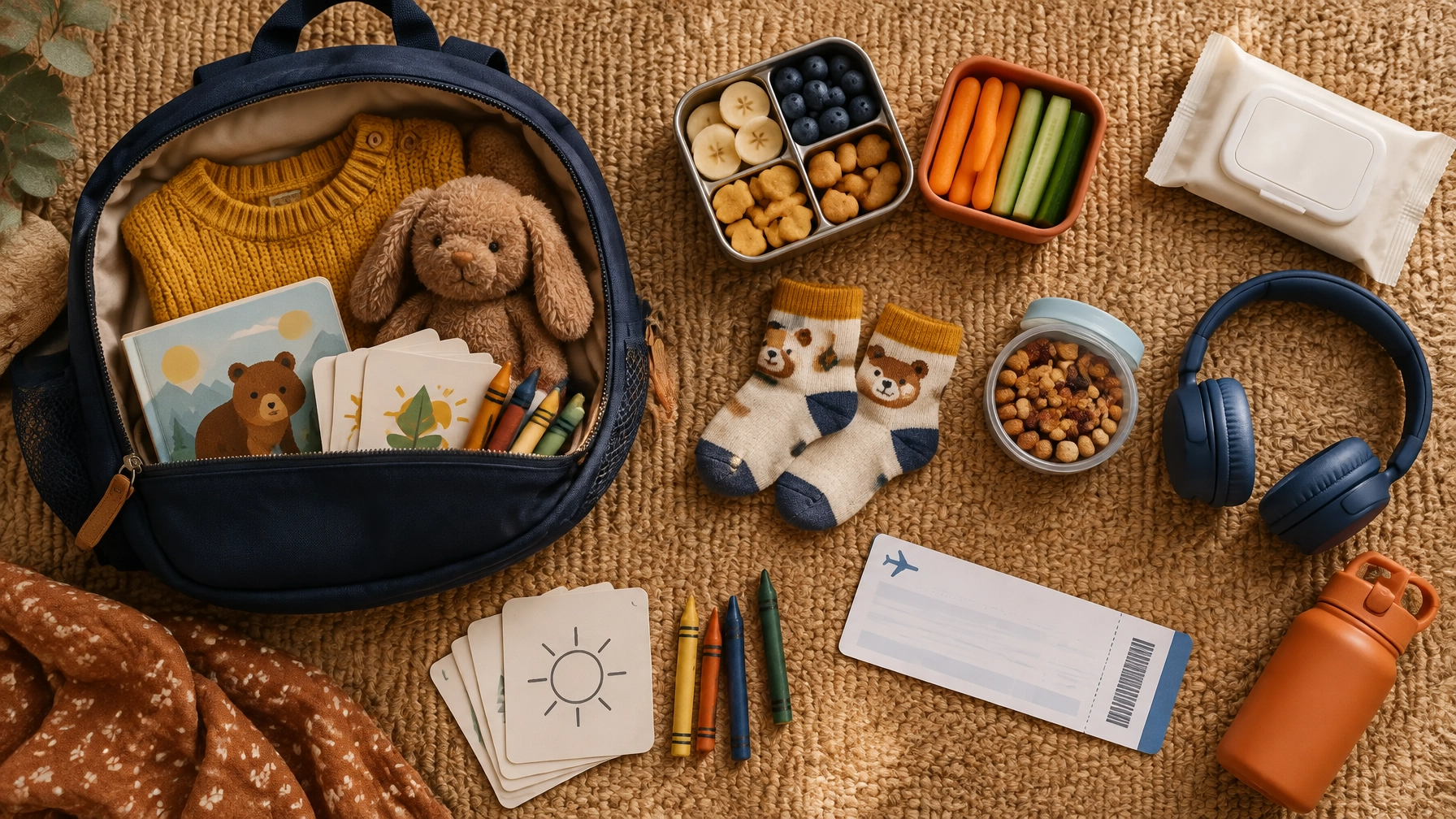
Holiday flights can mean crowded terminals, long lines, and a toddler who’s suddenly hungry, tired, or determined to walk in the opposite direction. A little planning can make the airport feel more manageable: keep essentials easy to reach, build in extra time, and give your little traveler simple ways to move, snack, and stay busy.
Affiliate disclaimer: This post includes affiliate links. If you make a purchase through them, Packed for Fun may earn a commission at no extra cost to you. As an Amazon Associate, we earn from qualifying purchases. Recommendations are informed by real-world family travel experience and thorough testing.
1. Give yourself a holiday travel buffer
The fastest way to start a family trip stressed is to plan around everything going perfectly. During the holidays, parking, bag drop, security, bathroom stops, and finding your gate can all take longer than expected. Build in extra time instead of aiming for the bare minimum.
Before leaving home, check your airline’s current guidance on check-in, family boarding, seat assignments, and stroller or car-seat handling. Rules can differ by airline and aircraft, so confirm what applies to your itinerary. Save your flight details and boarding passes somewhere you can access even if the airport Wi-Fi is slow.
2. Make security less of a scavenger hunt
A checkpoint is easier when you can find what you need without unpacking your entire bag. Wear shoes that are simple to remove, and keep your own electronics and standard liquids where they’re easy to reach. Before you get to the front, take loose toys, blankets, and anything in the stroller basket and pockets out so they’re ready for screening.
The TSA’s guidance for traveling with children says strollers, car seats, baby carriers, backpacks, and children’s bags must be screened. Equipment that doesn’t fit through the X-ray machine may need a visual or physical inspection. Children 12 and under can generally keep shoes, light jackets, and headwear on, though light jackets must come off for advanced imaging. Follow the instructions from your airport’s officers; procedures can vary.
3. Pack toddler food where you can reach it
Airport food lines and toddler appetites don’t always line up. Bring familiar snacks in small portions, plus a little more than you expect to need in case of a delay. Choose options your child can manage without a lot of mess, and keep an easy snack handy for the gate and boarding line.
Important checkpoint note: TSA allows formula, breast milk, toddler drinks, and baby or toddler food, including purée pouches, in quantities greater than 3.4 ounces. Tell the officer at the start of screening and remove these items for separate screening. They do not need to fit in the quart-size liquids bag. Check the TSA’s current food and drink rules before you leave, especially if you’re packing something less typical. An empty refillable water bottle can be filled after security.
4. Build one small, under-seat flight kit
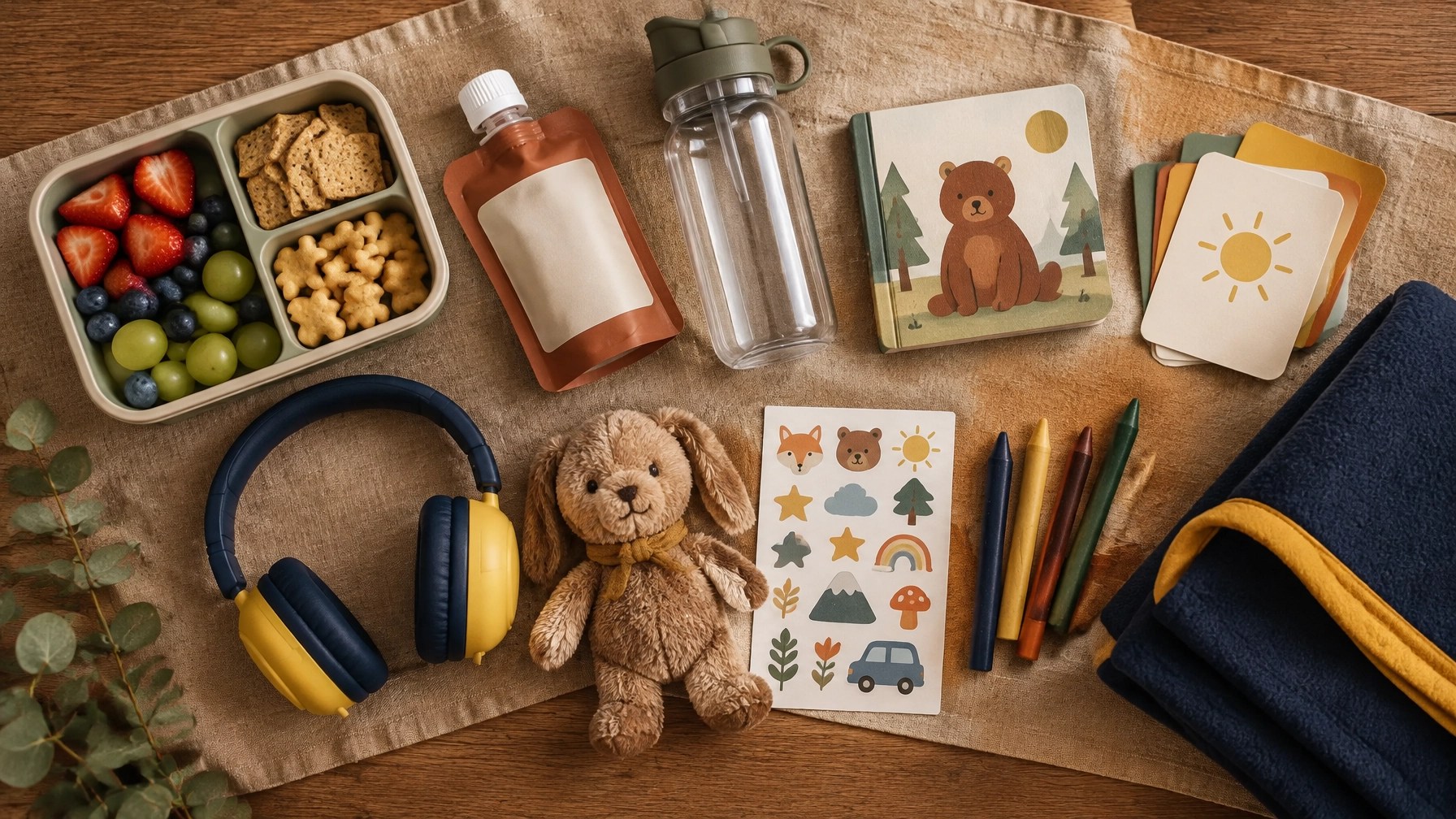
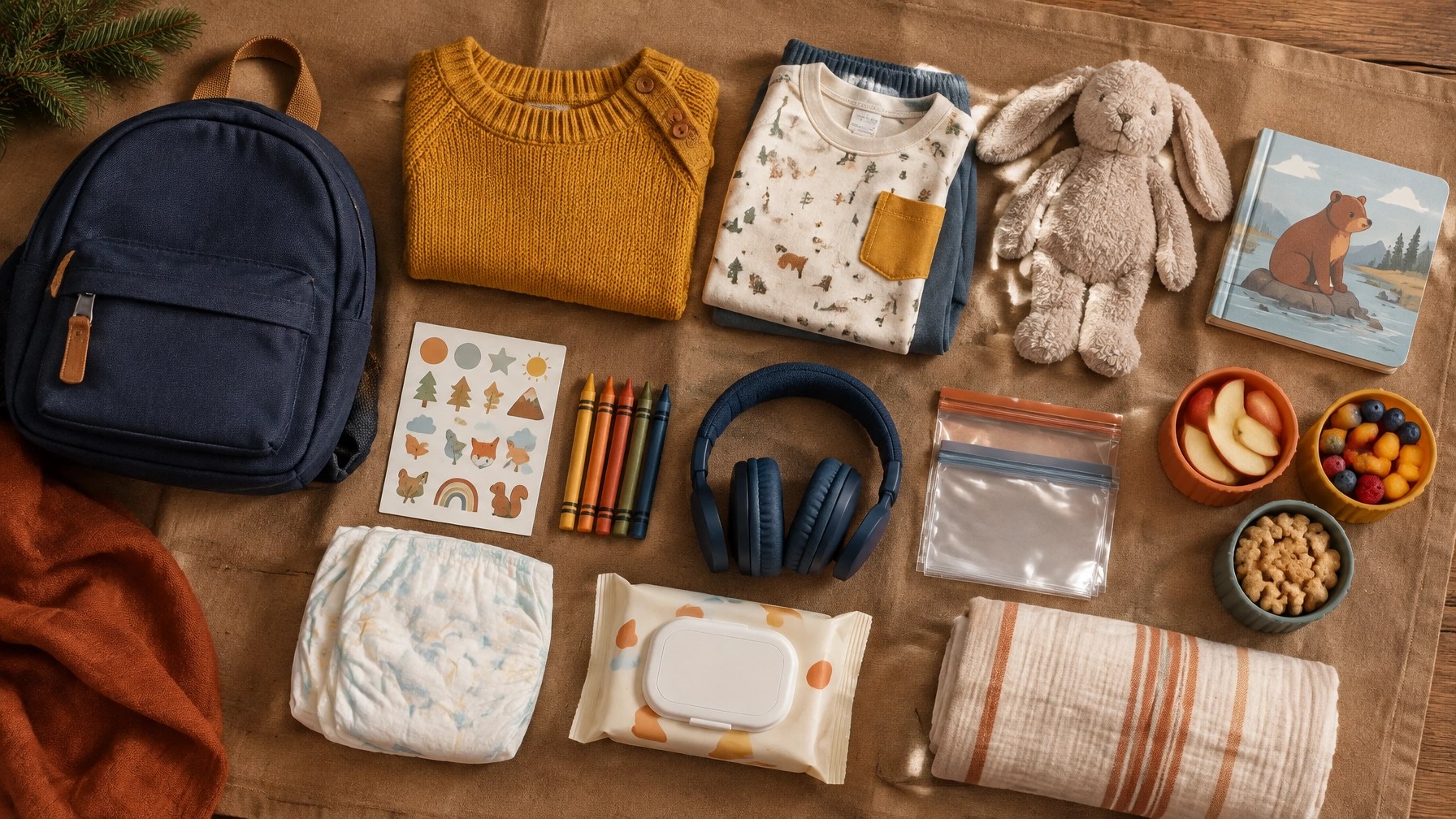
Don’t make every diaper change or snack break depend on opening an overhead bag. Set aside a small bag that can fit under the seat and hold the things you may need quickly:
- Diapers or pull-ups, wipes, and a changing pad
- A full change of clothes for your toddler
- A spare adult shirt and a few plastic bags for wet or messy items
- Any regular medication and a familiar comfort item
- Snacks, headphones, and a few compact activities
Keep the bag simple enough to find things in quickly. A small organizer or separate pouch for diapering supplies can help; it doesn’t need to be fancy. The goal is fewer rummaging sessions when your toddler needs something now.
5. Keep the stroller until the gate, if it works for your trip
A stroller can be a welcome break for small legs and a place to hold a tired child while you make your way through a busy terminal. If you plan to use one, check your airline’s rules in advance: stroller size, folding requirements, gate-check process, and where it will be returned can vary.
Ask the gate agent for instructions and the gate-check tag, and fold the stroller only where staff direct you. Keep the tag until you have the stroller back. Some equipment may need to be checked at the counter instead, so don’t assume every stroller or wagon can go to the gate.
6. Choose your boarding plan before the gate gets busy
Boarding early can give you more time to get settled, but it can also mean a longer stretch sitting on the plane. If two adults are traveling, consider splitting up: one boards with the bags or approved car seat while the other stays with the toddler in the gate area a little longer. That gives your child time to move before the flight.
If you’re traveling solo, family preboarding may make it easier to settle in and organize. Policies differ, so check your carrier’s rules and listen for gate announcements. Either way, have your boarding passes and essentials ready before your group is called.
7. Give your toddler a safe chance to move
A toddler who has been cooped up in a car or stroller may need to walk before boarding. If time and the terminal layout allow, take a short walk together or visit an airport play area. Choose a spot away from moving walkways, traffic, and crowded queues, and keep your child close: holiday terminals can be hectic.
Before lining up, visit the restroom or change your toddler’s diaper if needed. A quick reset at the gate can be more useful than trying to manage a bathroom trip during boarding.
8. Rotate activities instead of unpacking the whole toy box
Bring a few small, quiet activities that are easy to use in a seat: a board book, stickers, crayons, or a favorite compact toy. Offer them one at a time rather than putting everything out at once. Save a familiar favorite for the moment your toddler is getting restless.
If you plan to use a screen, download shows or games before you leave home and pack child-friendly headphones. That way you aren’t counting on Wi-Fi. A cozy sweater or familiar blanket can also help your child settle in when the terminal or cabin feels chilly.
9. Make the car-seat decision, and packing plan, ahead of time
The FAA says the safest place for a child under two on a U.S. airplane is in an approved child restraint system, not on an adult’s lap. The FAA’s Kids’ Corner guidance explains that a restraint must be approved for aircraft use and installed according to the manufacturer’s instructions. Check the label, your car-seat manual, and your airline’s policies before traveling. If you plan to use a car seat onboard, buying a seat for your child is the way to ensure there’s a seat available for it.
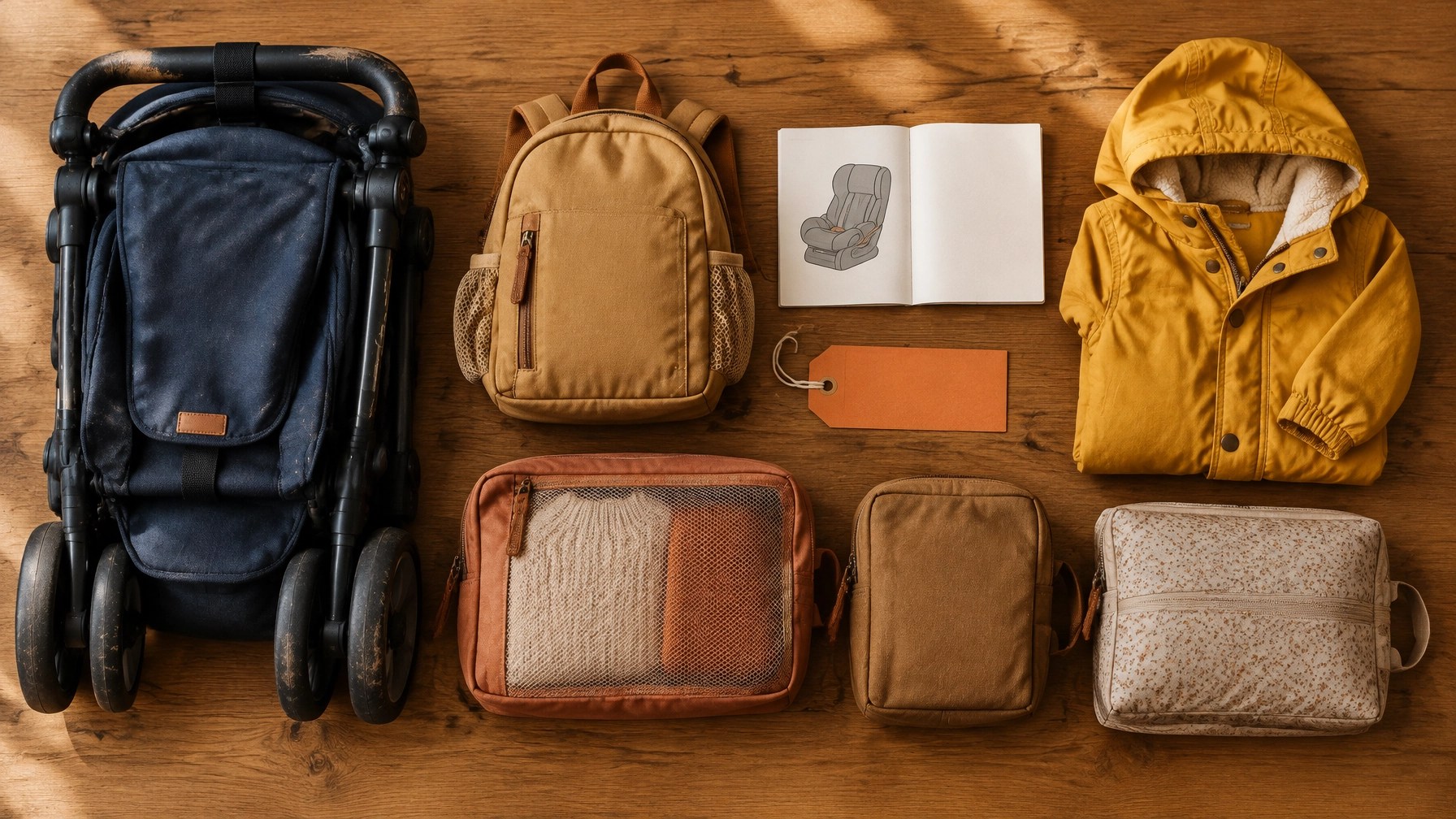
For the rest of your packing, keep the flight kit separate from clothes you won’t need until you arrive. Packing cubes can help group outfits or separate clean clothes from laundry in a suitcase, but don’t put a must-have diaper or snack pouch in checked luggage. If that kind of organization would help your family, take a look at these compression packing cubes or this multi-piece packing-cube set.
Flying with toddlers during the holidays may not be perfectly smooth, and it doesn’t have to be. A little extra time, a reachable flight kit, and a flexible plan can take pressure off the airport part of the trip. For more practical ideas to make family travel easier, visit Packed for Fun.