
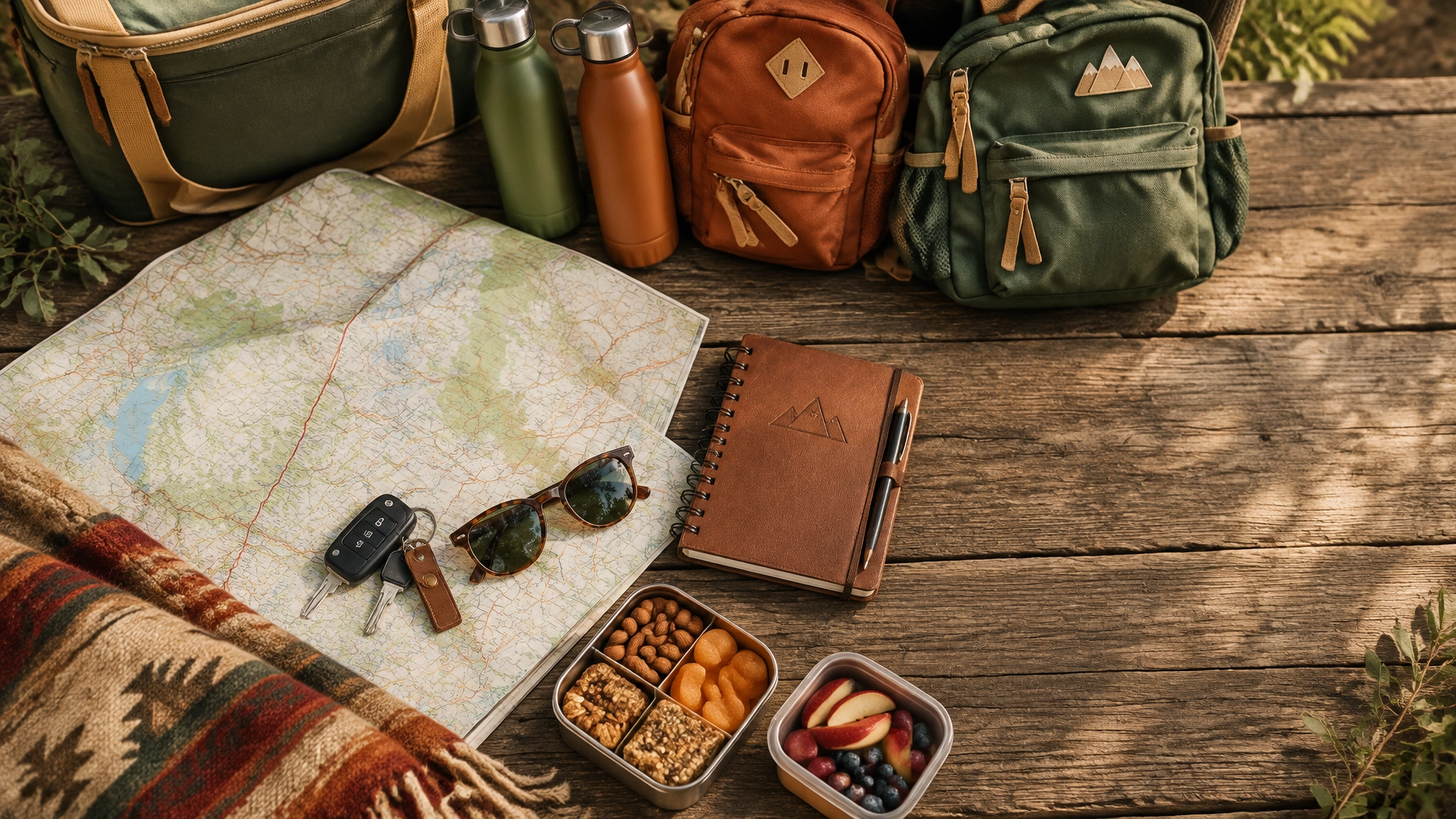
A 10-hour drive can feel much more manageable when you plan around your children’s energy, pack for easy access, and build in time to rest and reset. These practical family road trip tips will help you create a smoother travel day for toddlers, school-age children, and teens without relying on screens or expensive roadside stops.
To help keep our content free, some links in this post are affiliate links. If you click and buy something, we may receive a small commission (at no extra cost to you). As an Amazon Associate, I earn from qualifying purchases.
Plan the Drive Around Kid Energy
A successful long drive is not only about the route. It is also about choosing departure times and driving blocks that fit your children’s natural rhythms.
Time Your Departure: Leave early if your kids are usually happiest in the morning, or plan departure around a reliable nap window for younger children. A quiet first stretch can help you cover several miles before everyone needs a break.
Split the Drive Into Chunks: Think of a 10-hour drive as four or five manageable sections instead of one long day. Plan a stop approximately every two to three hours, allowing extra time for bathrooms, diaper changes, snacks, and movement.
Consider an Overnight Stop: If your budget and schedule allow, breaking the drive into two days may be one of the most helpful traveling with toddlers tips. A simple hotel night can make the trip more comfortable and give everyone a genuine reset.
Build In Buffer Time: Add at least an hour beyond the estimated driving time when traveling with young children. A slower, calmer day is more enjoyable than trying to maintain an adult-only schedule.
Before leaving, explain the plan in simple terms: “We will drive, stop for lunch, stretch, and then drive again.” Predictability helps children feel more prepared and confident.
Pack the Car So Everything Is Within Reach
A well-organized car can prevent many small problems from becoming stressful interruptions. Keep the items you may need during the next hour in the passenger area rather than buried in the trunk.
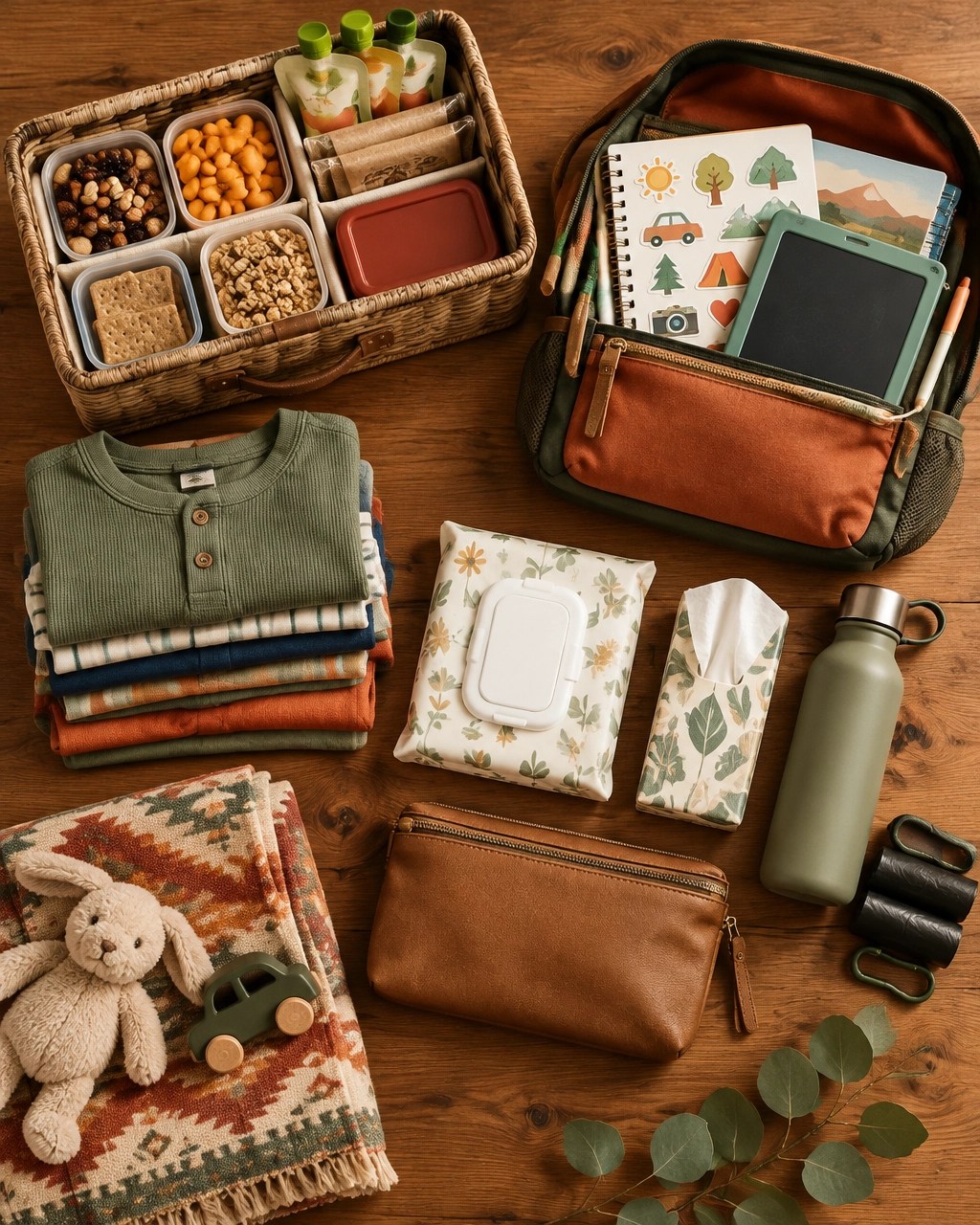
Create a Snack Caddy: Use a small handled bin or a snackle box snack organizer for individually portioned snacks, napkins, water bottles, and reusable utensils. The front passenger can pass items back safely when the car is stopped or when another adult is available.
Prepare an Activity Bag: Give each child a small bag with a few activities rather than placing the entire toy collection within reach. Rotate items throughout the drive to keep them feeling fresh.
Pack A Change of Clothes: Keep one complete outfit for each child in the passenger area, including socks, underwear, and diapers if needed. Add a plastic or washable bag for wet or messy clothes.
Keep Wipes Accessible: Store wipes, tissues, hand sanitizer wipes, paper towels, and small trash bags in a front-seat organizer. These supplies are useful for spills, sticky hands, bathroom stops, and quick cleanups.
Add Comfort Items: Familiar blankets, stuffed animals, neck pillows, and light layers can help children settle more easily. Avoid loose items that could become distracting or unsafe while the vehicle is moving.
Our Packed for Fun family travel resources include practical packing and gear ideas to help you prepare without overpacking.
Keep Kids Busy Without Screens the Whole Way
The best family road trip activities are compact, quiet, and easy to pause. Offer one activity at a time and save a few special options for the more difficult parts of the drive.
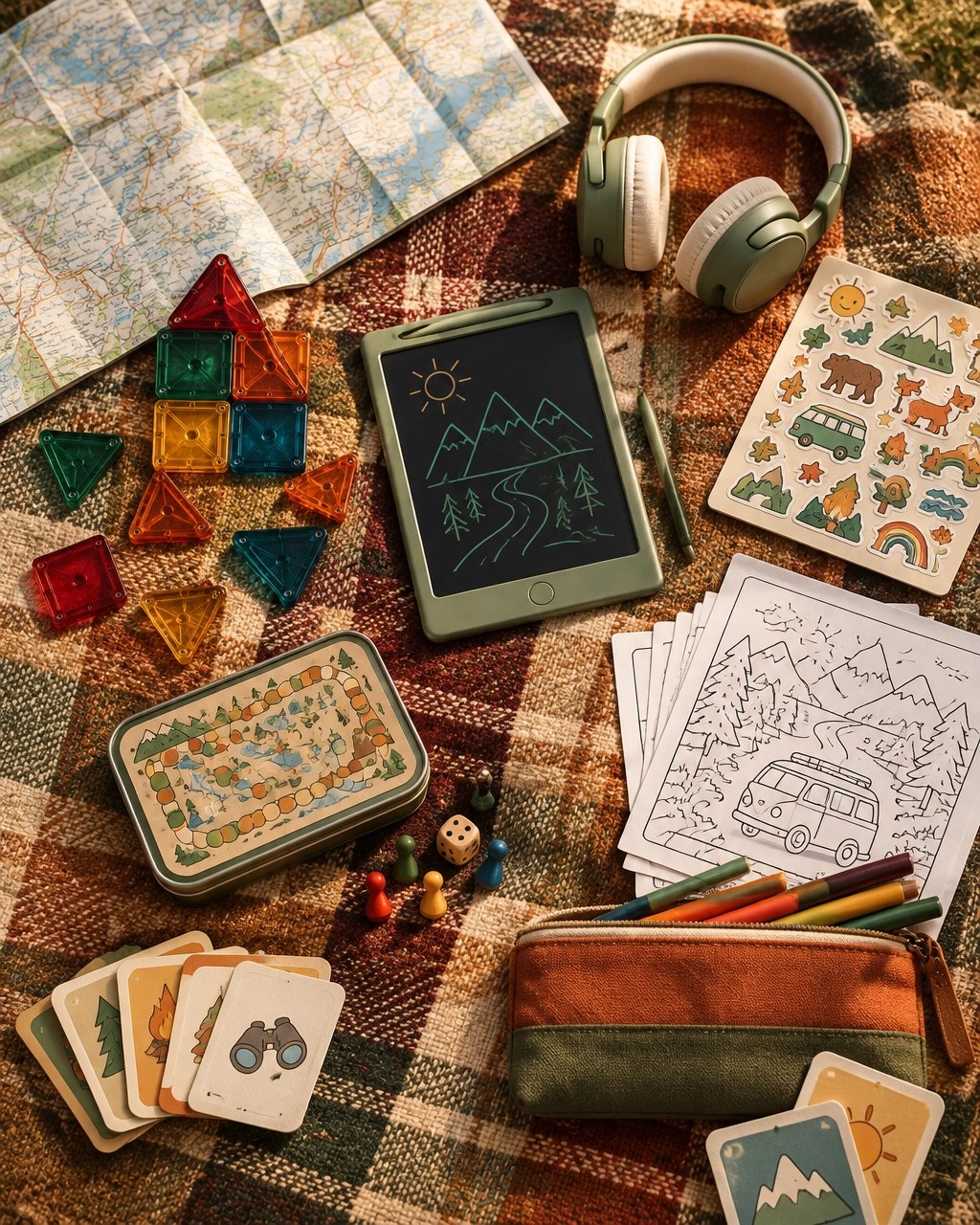
Try Magnetic Building: Mini magnetic tiles can provide creative play for older toddlers and school-age children. Use them only when your child is developmentally ready, and keep small pieces away from younger children.
Offer Reusable Drawing: An LCD doodle tablet gives children a low-mess way to draw, write, and erase. A four-pack can work well for siblings who prefer having their own space.
Use Sticker Activities: A Melissa & Doug sticker pad gives younger children a simple matching and decorating activity. Sticker books are especially useful during slower sections of the drive.
Choose Mess-Free Coloring: Crayola Color Wonder is designed for coloring without marking most clothing, furniture, or car upholstery. Pair it with a firm lap tray or travel activity tray.
Pack Compact Games: Older children may enjoy the Hasbro Grab and Go travel game bundle, while audiobooks, family playlists, and “I Spy” can involve everyone without requiring a screen.
Rotate activities every 30 to 60 minutes instead of handing over everything at once. This simple strategy helps your supplies last throughout the day.
Pack Snacks and Meals That Travel Well
Food is an important part of traveling with kids on a budget. Packing from home can lower costs, reduce unnecessary stops, and give children familiar options.
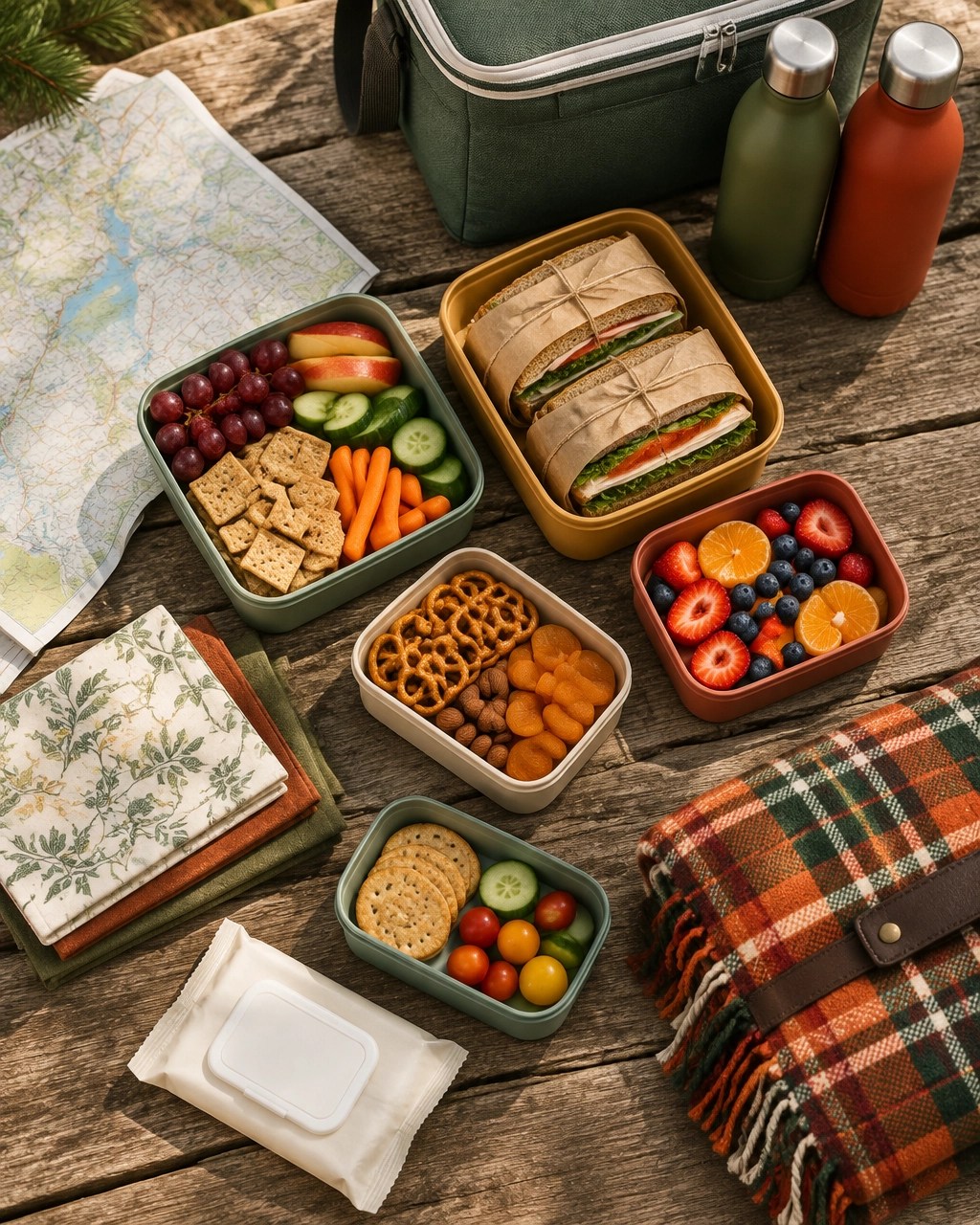
Choose Low-Mess Foods: Try sandwiches, dry cereal, crackers, pretzels, sliced fruit, granola bars, and individually portioned vegetables. Use leak-resistant containers and pack extra napkins.
Bring A Small Cooler: Keep perishable foods cold in an insulated cooler with ice packs. If you want a ready-made option, a compact family road trip cooler or a larger insulated cooler for longer drives can help you keep meals and drinks cold and easy to reach. Pack meals that can be eaten during a planned stop rather than trying to serve messy foods while the car is moving.
Avoid High-Risk Foods In Motion: Young children should not eat foods that create a higher choking risk while traveling, such as whole grapes, nuts, popcorn, hard candy, or large pieces of raw vegetables. When possible, stop the car and have toddlers eat upright with adult supervision.
Pack More Water Than You Expect: Reusable bottles reduce repeated purchases at gas stations. Add a few shelf-stable drinks in case of delays or unexpectedly long stretches between stops.
Use A Trash System: Keep one small bag for wrappers and another resealable bag for wet or soiled items. A simple system makes the car easier to manage throughout the day.
Set Screen Time Rules That Actually Work
Screens can be a useful tool during a 10-hour drive. The goal is not to avoid them completely, but to use them intentionally.
Create Screen Blocks: You might offer a show after lunch, during the final two hours, or after a longer rest stop. Let children know when screen time will happen so it feels predictable.
Download Content Ahead Of Time: Save shows, movies, games, and audiobooks before leaving home. Bring chargers or a power bank, and use a secure holder rather than passing devices between seats.
Pair Screens With Breaks: Encourage children to look out the window, listen to a story, play a game, or rest between screen blocks. A flexible plan is easier to maintain than strict rules that do not account for traffic, weather, or fatigue.
Protect The Driver’s Focus: Never allow an activity, device, or argument to interfere with the driver. If a child needs help, pull over when it is safe or have another adult assist.
Use A Rest Stop Strategy
Rest stops are not wasted time. They are an essential part of keeping children comfortable and helping the whole family arrive in a better mood.
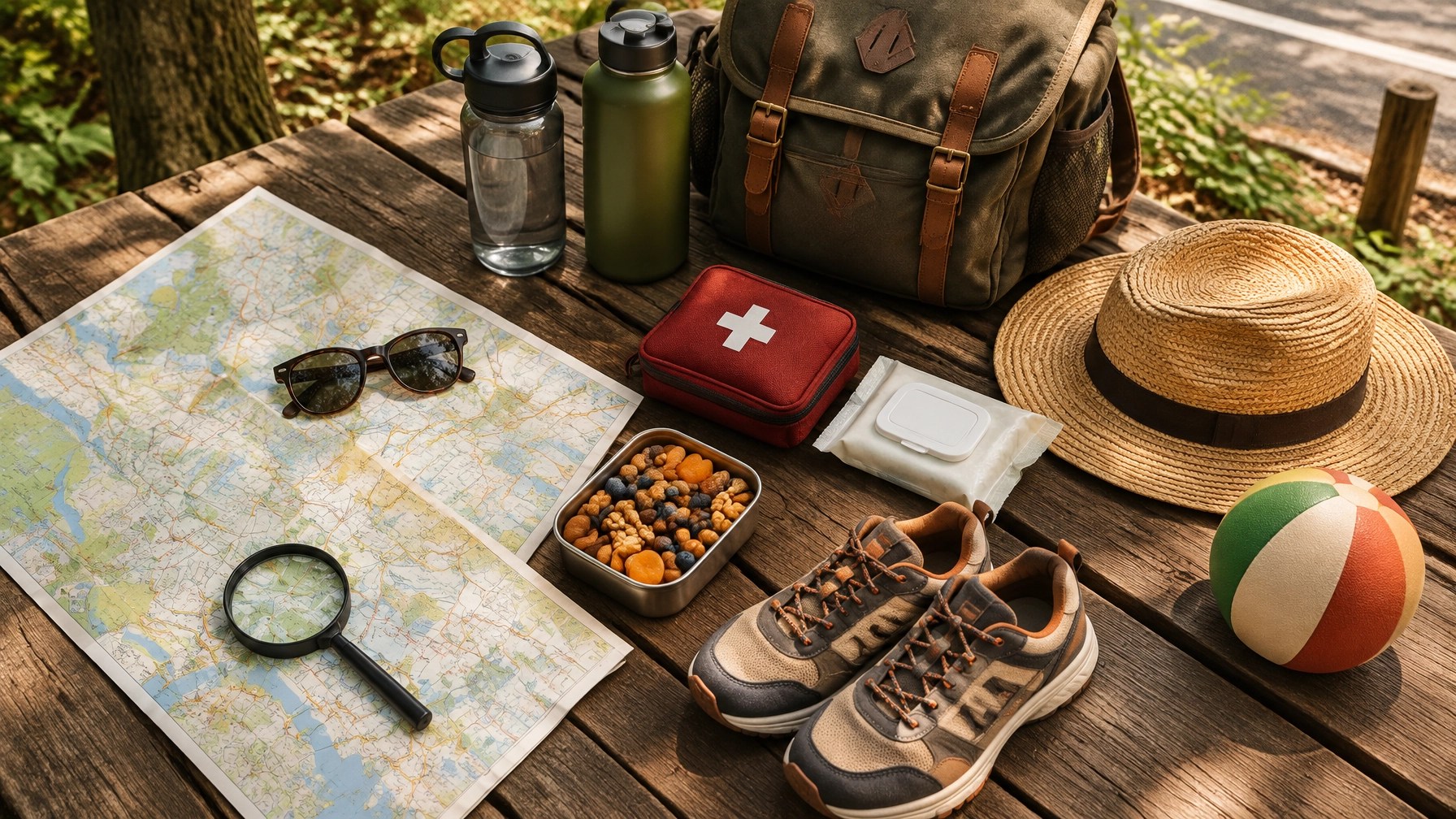
Schedule Movement: Let children walk, stretch, and move their arms and legs after sitting. Even 10 minutes of active movement can make the next driving block easier.
Combine Tasks: Use each stop for bathrooms, diaper changes, water refills, snacks, and a quick car check. This helps you avoid stopping again shortly afterward.
Choose Safe Spaces: A clean rest area, family-friendly park, or open picnic area may provide better energy release than remaining inside a restaurant. Stay close and supervise children around parking areas and unfamiliar spaces.
Plan One Longer Reset: Every few hours, consider taking 30 to 60 minutes for lunch and free play. That longer pause can help children who struggle with repeated short stops.
Keep Toddlers Calm and Comfortable
Toddlers often need extra support because they have limited ways to communicate discomfort. Check their car seat fit before the trip and follow the manufacturer’s instructions for positioning and straps.
Bring one familiar comfort item, such as a small blanket or soft toy. Keep the temperature comfortable, offer layers, and avoid overloading the seat area with loose objects.
If your child experiences motion sickness, ask your healthcare professional for age-appropriate guidance before the trip. Pack cleaning supplies, spare clothes, and familiar comfort items so you can respond calmly if nausea occurs.
Plan to stop when a toddler becomes unusually upset, appears uncomfortable, or needs a change in position. A brief reset may be more effective than trying to push through the next hour.
Find Budget Wins Along the Way
The best travel with kids on a budget strategies often come from planning before you leave.
Save On Fuel: Compare fuel prices along your route, maintain proper tire pressure, and avoid unnecessary detours. A route with fewer stops may not always be the cheapest if it leads to expensive food and fuel purchases.
Pack Your Own Food: Family-size snacks and homemade meals usually cost less than individual roadside purchases. Use a cooler and plan one or two food stops instead of buying every snack at a convenience store.
Choose Free Attractions: Look for public parks, scenic overlooks, walking trails, libraries, and free local museums along your route.
Compare Attraction Discounts: If your destination includes paid activities, review available offers before booking. You can compare options for Universal Studios Hollywood, SeaWorld Orlando, LEGOLAND Florida, Busch Gardens Tampa, two-day Universal Orlando tickets, Discovery Cove, and Gatorland.
For broader planning, compare travel deals through Trip.com, car rental discounts, or destinations with Explore North America.
Know What To Do When It All Goes Sideways
Even the most carefully planned drive may include a meltdown, delay, storm, traffic jam, or unexpected stop. Your backup plan should be simple.
Pause The Schedule: If everyone is overwhelmed, pull over safely and reset instead of trying to maintain the original timeline.
Use The Emergency Activity: Keep one favorite activity hidden for a particularly difficult stretch. A new sticker pad, audiobook, or travel game can create a welcome change.
Stay Flexible During Weather: Check conditions before leaving and during major route changes. If severe weather affects the drive, prioritize safety and consider an overnight stop.
Lower The Standard: The goal is not perfect behavior or record-breaking travel time. The goal is arriving safely, comfortably, and with enough energy to enjoy what comes next.
A calm plan, accessible supplies, realistic timing, and a little flexibility can transform a long drive into a smooth and memorable part of your family adventure. With these family travel tips, you can feel more prepared for toddlers, older children, changing moods, and the practical details that make a 10-hour drive easier for everyone.