

Choosing between driving and flying can change your entire family travel budget. Compare the complete cost, not just the ticket or gas price, and you can choose the option that keeps your trip affordable, comfortable, and easier to manage with kids.
To help keep our content free, some links in this post are affiliate links. If you click and buy something, we may receive a small commission (at no extra cost to you). As an Amazon Associate, I earn from qualifying purchases.
Start With the Full Family Travel Cost
The cheapest-looking option is not always the least expensive after you add the costs that are easy to overlook.
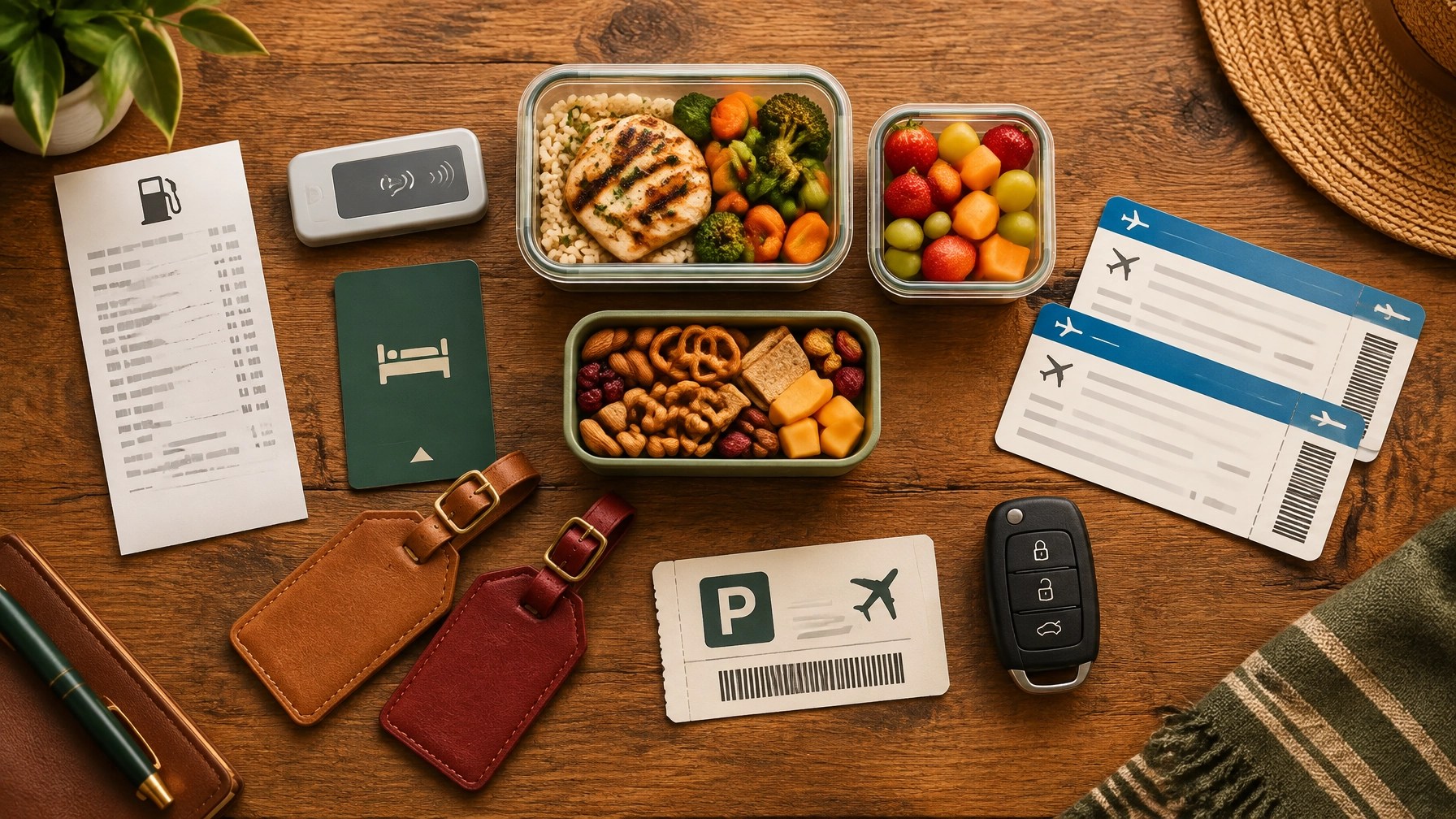
For a family of four, a road trip may include fuel, tolls, parking, hotel stops, meals, snacks, and vehicle wear. Flying may include four tickets, baggage fees, airport parking or transfers, rental car costs, meals at the airport, and transportation at your destination.
As a simple planning guide, driving often wins for trips under about 500 miles each way. Flying can become more competitive when the drive is longer than 1,000 miles each way, especially if your family would need several hotel nights and restaurant meals.
These are planning ranges rather than guaranteed prices. Your route, travel dates, vehicle, children’s ages, and destination plans will make the final answer unique to your family.
Compare the Typical Costs Side by Side
| Expense | Family Road Trip | Flying With Kids |
|---|---|---|
| Main transportation | Fuel and vehicle costs | Airfare for every traveler |
| Bags | Usually included in the vehicle | Carry-on and checked-bag fees |
| Airport costs | Usually none | Parking, shuttle, rideshare, or transfer |
| Destination transportation | Your own car | Rental car, rideshare, or transit |
| Overnight costs | Possible hotel stops | Usually none during travel |
| Food | Packed meals and roadside stops | Airport and travel-day meals |
| Extra costs | Tolls, parking, vehicle wear | Seat selections, bags, rental fees |
For a five-day trip, a family of four might see airfare ranging from roughly $720 to $1,520 before bags and airport transportation. Two checked bags could add approximately $100 to $180 round trip, while airport parking or transfers may add another $80 to $200.
A five-day rental car can add about $350 to $550 after taxes and fees, depending on the destination and vehicle size. If you need a car at your destination, compare the complete “fly plus rental car” total with the cost of driving your own vehicle.
For current fare comparisons, use a flight deal search and check Trip.com travel savings before deciding.
Calculate the Real Cost of a Road Trip
A road trip is often the better choice for larger families because one vehicle carries everyone for one transportation price. Still, fuel is only the beginning.
Fuel
Use this simple formula:
Total miles ÷ vehicle miles per gallon × average gas price = estimated fuel cost
For example, a 1,200-mile round trip in a vehicle that gets 25 miles per gallon would use about 48 gallons. At $3.50 per gallon, fuel would cost approximately $168.
Check your vehicle’s real-world fuel economy rather than relying only on the manufacturer’s estimate. A heavily loaded vehicle, roof carrier, traffic, and frequent stops can reduce mileage.
Tolls and Parking
Tolls may add a small amount to a short trip or several hundred dollars to a heavily tolled route. Use your preferred mapping app to compare toll and non-toll routes before leaving.
Also consider destination parking. A hotel or attraction in a major city may charge $20 to $60 per day, which can change the value of driving your own vehicle.
Hotel Stops
With kids, a safe and comfortable overnight stop can be worth more than pushing through an exhausting drive. Budget approximately $120 to $180 for a basic family hotel night, although weekday and off-season rates may be lower.
Look for hotels that include breakfast, parking, a refrigerator, or a small kitchen. Our guide to family road trip resources can help you plan practical stops and find ways to make a longer drive feel more manageable.
Meals and Snacks
Restaurant meals are one of the easiest ways for a road trip budget to grow. A family of four can spend $40 to $80 on one restaurant meal, before adding drinks, desserts, and roadside snacks.
Pack sandwiches, fruit, refillable water bottles, and easy-to-reach snacks in a compact family road trip cooler. For longer drives, a larger insulated cooler can hold several days of drinks and food.
A snack organizer box lets each child choose from a planned selection instead of asking for a new gas-station purchase every hour.
Vehicle Wear
Fuel is the visible cost, but mileage also contributes to maintenance, tires, depreciation, and repairs. For a quick comparison, many families budget an additional 15 to 30 cents per mile for vehicle wear.
You can also use the annual IRS mileage rate as a broader planning reference because it is intended to account for fuel and vehicle operating costs. For a personal vacation budget, you do not need to treat this as a bill you must pay immediately. Instead, use it to understand the long-term cost of adding substantial mileage to your vehicle.
When Flying May Be the Better Value
Flying can be the more affordable choice when the road trip would require multiple hotel nights, several restaurant meals, and significant time away from your destination.
Flying often makes sense when:
- You are traveling more than 1,000 miles each way.
- Your vacation is short and travel time matters.
- Sale fares are available for all travelers.
- You do not need a rental car at the destination.
- Your vehicle gets poor fuel mileage.
- The route includes expensive tolls or overnight stays.
- You can use points, credits, or flexible travel dates.
Flying also gives your family more time at the destination. A two-hour flight may replace two full days of driving, although airport arrival time, security, boarding, connections, and ground transportation still need to be included.

Save Money When Flying With Kids
Compare the Complete Fare
Look beyond the advertised base fare. Check seat-selection charges, carry-on rules, checked-bag fees, airport location, and change policies.
If you can travel with fewer bags, a Travelpro Maxlite 5 21-inch carry-on spinner can help you keep clothing and essentials organized. For families who need more space, consider a Travelpro Maxlite Air V2 28-inch checked suitcase, then compare the bag fee with the cost of packing multiple smaller pieces.
Choose Airport Transportation Carefully
Airport parking may be less expensive than rideshares for a larger family, particularly for a weeklong trip. On the other hand, an off-site parking shuttle or a ride from a family member may reduce the total.
Add every transportation segment to your comparison, including the trip from the airport to your hotel. A low airfare can lose its advantage if the destination requires an expensive rental car or long rideshare trips.
Pack Entertainment and Snacks
Airport food and onboard purchases can quickly increase a travel-day budget. Pack approved snacks, refillable water bottles for use after security, and compact activities.
A kids travel tray can create a useful surface for approved activities, while an On the Plane Activity Book, Melissa & Doug Seek & Find Sticker Pad, or Crayola Color Wonder Mess Free Coloring Set can provide quiet entertainment.
For older children, the Hasbro Grab and Go! four-pack of travel board games offers several contained activities without taking much space. A kids neck pillow with sleep eye mask may also make the travel day more comfortable.
If your family already uses a motion-sickness product, review the label and age guidance carefully before packing the Travel Ease Junior Motion Sickness Roll-On. Ask your child’s healthcare provider if you have questions.
Save Money on a Family Road Trip
Pack Before You Reach the Highway
Gas stations are convenient but usually expensive places to buy drinks, snacks, chargers, and forgotten basics. Prepare a food and comfort kit at home so you can make planned purchases instead of repeated impulse stops.
Give each child a small portion of snacks at a time. This reduces waste and keeps the supply available for the whole drive.
Plan Fewer, Better Stops
A family road trip does not need a long list of paid attractions. Look for public parks, playgrounds, scenic overlooks, library stops, and hotel pools included with your room.
You can also explore our family road trip tips and budget travel ideas for practical ways to build in breaks without overspending.
Compare Hotel Value
A slightly higher room rate may be the better deal if it includes breakfast, parking, a refrigerator, or a pool. Before booking, compare the complete cost rather than the room price alone.
Ask whether the hotel offers family suites or rooms with a microwave. Even one simple breakfast and one reheated meal can offset a higher nightly rate.
Keep Kids Comfortable
Comfort can help you avoid unplanned stops and extra purchases. A VEVOR ride-on scooter suitcase for kids may make airport or hotel transitions easier for some older children, while a travel activity setup can make long drives feel more organized.
Use age-appropriate car seats and boosters according to current manufacturer instructions. Keep medications, important documents, and emergency supplies accessible rather than buried in the trunk.
Which Option Wins for Your Family?
Driving is usually the winner for a family of three or four traveling a short or medium distance, particularly when you already own a fuel-efficient vehicle and can pack meals.
Flying often wins for very long routes, short vacations, or trips where road hotels and restaurant meals would take up a large part of the budget. It can also be the better value when a sale fare is available and you can avoid a rental car.
Before booking, calculate both totals using the same trip details:
- Add every traveler’s airfare.
- Include baggage and seat fees.
- Add airport parking or transfers.
- Estimate the rental car or destination transportation.
- Calculate road-trip fuel and tolls.
- Add hotel nights required for the drive.
- Budget meals and snacks for both options.
- Consider vehicle wear and the value of your time.
The Bottom Line
For many affordable family vacations, driving still offers the strongest value when the destination is within a manageable distance. Flying becomes more competitive as the route gets longer, the vacation gets shorter, or discounted fares reduce the cost for everyone.
The best choice is the one that fits your family’s complete budget and comfort needs. With a careful comparison, practical packing, and a few well-planned savings strategies, you can enjoy smoother travel with kids and feel confident about the money you spend.